What is Embroidery? Embroidery is a popular craft loved for its creativity, precision, and ability to transform fabrics into works of art.
Introduction
Embroidery has been around for centuries, but in today’s modern world, technology has transformed it completely. If you see a beautifully stitched company logo on a polo shirt or a sports team’s emblem on a cap, it was not stitched by hand. Instead, it went through a process called embroidery digitizing. In this blog, we’ll explain what digitizing is, why it’s important, and how businesses and individuals benefit from it.
What is Embroidery Digitizing?
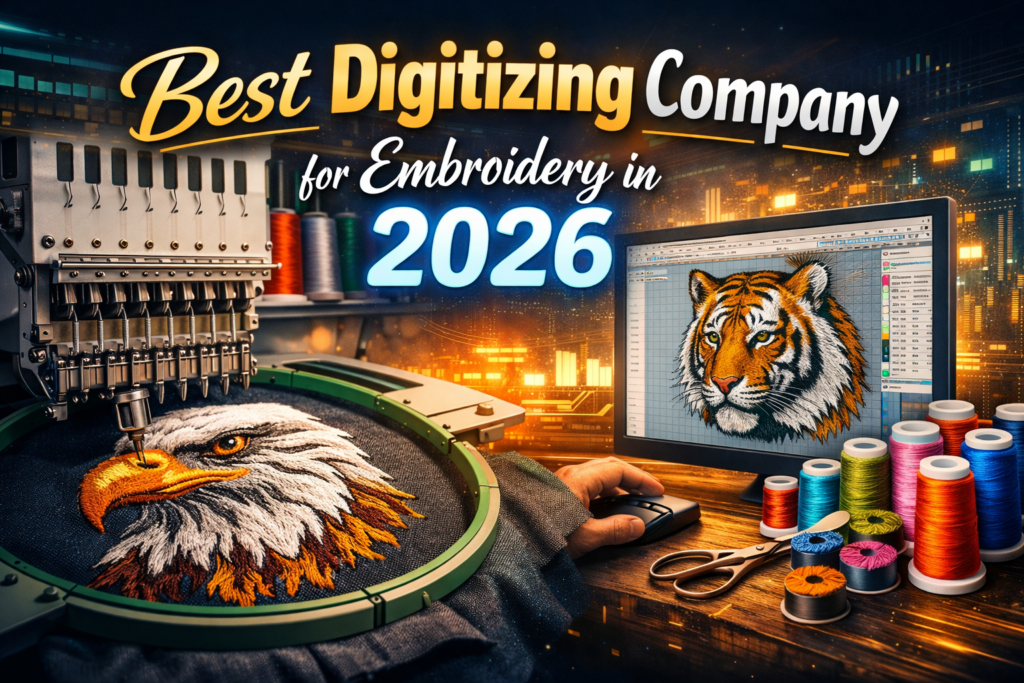
Embroidery digitizing is the process of converting an image, logo, or design into a special embroidery file that an embroidery machine can read. Unlike a simple picture file (like JPEG or PNG), a digitized embroidery file contains detailed instructions about stitches, directions, density, and sequence.
Some popular embroidery file formats include DST, PES, EXP, and EMB. Each embroidery machine brand requires a different format, and digitizing software ensures the design is converted correctly.
Why Embroidery Digitizing is Important
Without proper digitizing, even the most creative artwork can look messy when stitched. Here’s why digitizing matters:
-
Accuracy & Clarity – A well-digitized file makes the design look sharp, neat, and professional.
-
Fabric Adaptation – Each fabric type behaves differently. For example, cotton needs different stitch settings than leather or polyester. Digitizing sets these adjustments.
-
Machine Efficiency – A clean file helps embroidery machines run smoothly, reducing errors like thread breaks or misaligned stitches.
-
Professional Finish – Digitizing ensures the final embroidered piece looks exactly like the artwork given by the customer.
By knowing what is embroidery and how digitizing works, you can ensure flawless results.
Key Elements of Embroidery Digitizing
-
Stitch Types: Satin stitches for outlines, fill stitches for larger areas, and running stitches for fine details.
-
Stitch Density: Controls how thick or thin embroidery looks, balancing quality and fabric stability.
-
Pull Compensation: Adjustments made to counter fabric stretching or shrinking during stitching.
-
Underlay Stitches: Foundation stitches that keep the top layers neat and stable.
These elements show why understanding what is embroidery is crucial for professional results.
Common Uses of Embroidery Digitizing
Digitizing is widely used in industries and personal projects:
-
Corporate Logos – Businesses need digitized logos for uniforms, caps, and giveaways.
-
Sports Teams – Custom team jerseys and caps require precise digitizing.
-
Personalized Gifts – Monograms, initials, and names are digitized for towels, bags, and clothes.
-
Fashion Industry – Designers digitize large jacket back logos, patches, and decorative embroidery.
-
3D Puff Embroidery – Caps and hats often use puff digitizing for a bold, raised look.
Exploring what is embroidery helps you choose the right technique for each project.
Common Mistakes in Digitizing
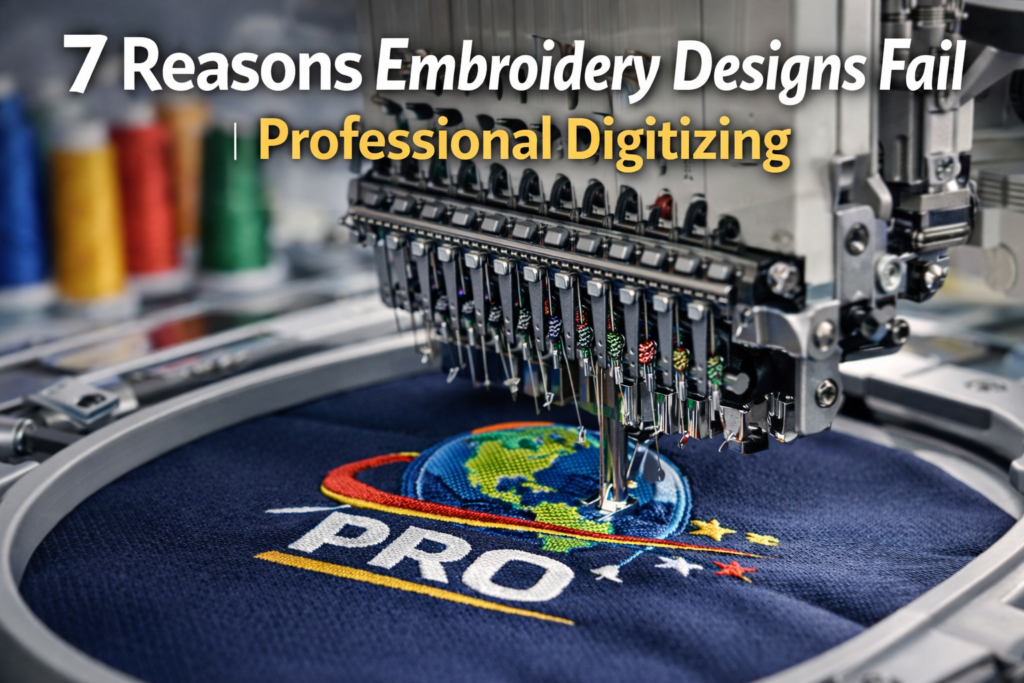
Many beginners make mistakes that ruin embroidery quality, such as:
-
Using too many stitches in small areas (causes thread breakage).
-
Ignoring fabric type (wrong settings make the design pucker or shrink).
-
Poor pathing (the machine wastes time moving across the fabric).
-
Skipping underlay stitches (results in uneven designs).
Avoiding these mistakes requires knowing what is embroidery and its behavior on different fabrics.
Choosing the Right Digitizing Partner
Finding the right digitizing service makes a big difference. A professional digitizer ensures:
-
Experience with different fabrics and styles.
-
Affordable pricing without hidden costs.
-
Fast turnaround time (especially for urgent business orders).
-
Free revisions or support if adjustments are needed.
For example, A1 Digitizing in the USA is known for providing reliable, affordable, and precise embroidery digitizing services trusted by thousands of customers. Companies like Nice Digitizing also highlight the growing demand for expert digitizing in the industry. Understanding what is embroidery ensures you pick the right partner.
Final Thoughts
Embroidery digitizing is the backbone of modern embroidery. Whether you’re a business owner needing branded apparel, a sports team preparing uniforms, or an individual customizing gifts, digitizing ensures your design looks professional and durable.
Without digitizing, even the most advanced embroidery machines cannot deliver quality results. That’s why investing in professional embroidery digitizing services is the smartest step for perfect stitching. Knowing what is embroidery helps you make informed decisions.
Extended Conclusion
Embroidery digitizing is not just about turning an image into stitches — it’s about creativity, precision, and long-lasting quality. As the demand for customized apparel, promotional products, and fashion embroidery continues to grow, the role of expert digitizers will become even more important. By choosing a trusted company like A1 Digitizing , customers can be confident that their designs will be delivered with accuracy, speed, and affordability every single time.
Understanding what is embroidery ensures every project turns out perfect.